


LingoDeer - Learn Languages
4.416.33K Reviews
App Specs
- Version
- 2.99.413
- Updated On
- License
- Free
- Downloads
- 10,000,000+
- Developer
- LingoDeer - Learn Languages Apps
- Categories
- Education
- Platform
- Android, iOS
Screenshots

 Analysis by AppCompare
Sharing a language-learning app at home sounds simple until two people want to study different things, or one person’s lesson history starts shaping another’s practice. I’d treat LingoDeer as a personal study space rather than a household course: it can make short practice sessions easy to fit around family life, but each learner should be clear about whose progress they are building.
Making a shared device work
On a tablet or phone that gets passed around, a little coordination goes a long way. Agree on a language and learner before opening a lesson, and make a habit of checking the current course before starting. That small pause helps avoid the common shared-device mix-up of one person continuing from another person’s place.
A realistic routine might be a parent studying Spanish while a teenager tries Japanese after dinner. Rather than treating the app as a joint game, each person can take a short turn and say what they covered. That makes the device convenient without confusing a shared screen with shared learning history. If everyone wants a separate, persistent record, check the account and course arrangements in the app before relying on one device for several learners.
Keeping goals and routines separate
Language study works best when the reason for learning is concrete. I’d suggest that each household member choose a small personal goal: understanding a travel phrase, recognizing familiar words, or getting more comfortable with a basic sentence pattern. Then a short lesson has a purpose beyond simply keeping a streak or tapping through screens.
Coordination matters most when schedules differ. One person might study on a commute, while another has time at home; offline lesson access can help with a journey where connectivity is unreliable, while a quieter home session is better for repeating pronunciation aloud. The useful trade-off is that flexibility makes it easier to practice, but it doesn’t automatically create a shared timetable or make someone else responsible for keeping you on track.
Age, trust, and realistic expectations
The app is rated for Everyone, which makes it suitable to consider for a broad age range, but that label is not a substitute for a parent deciding whether its learning style suits a particular child. I’d sit with a younger learner for the first few sessions, see whether the explanations make sense to them, and help them form a routine rather than assuming the app will teach independently in every situation.
For adults, the same trust question is about expectations. The app can provide structured practice, grammar explanations, vocabulary, and listening exposure, but I wouldn’t mistake completing lessons for being ready to hold a spontaneous conversation. A learner who needs live correction, regular speaking partners, or a course tailored to a specific exam may need another resource alongside it—or a different option altogether.
Worth Reading Before You Choose

Flipboard Shows What News Apps Must Do Beyond the Feed

Switching to Android Auto Means Rethinking Your Driving Routine

Google Calendar Makes a Crowded Week Easier to Manage

Ludo King Makes the Most of the Minutes Between Plans

Baby Panda World Brings Quick Play to Modern Phones, but Its Game Library Feels Busy

ESPN’s Live Game View Makes Following Close Games Easier
Choosing it over other study styles
Compared with a flashcard-first approach, the appeal here is the mix of interactive exercises, audio, and grammar guidance. That can be a better fit when you want to understand how a phrase works rather than only recognize a word. Flashcards still have an advantage for quick review of a personal vocabulary list, so I’d use them as a supplement if remembering isolated terms is the main challenge.
Compared with a live class or tutor, LingoDeer is easier to pick up for a few minutes without arranging a schedule, but it can’t reproduce the back-and-forth of a real conversation. I’d choose it for building a foundation and keeping practice regular; I’d choose a teacher or conversation group when feedback on natural speech and spontaneous replies becomes the priority.
Ever wanted to dive into a new language but didn’t know where to start? I’ve been there, and honestly, it can be pretty overwhelming. But let me tell you about this nifty app I stumbled upon: LingoDeer. It’s like having a personal language tutor right in your pocket, and I’m here to spill the beans on why it might just be the language app you’ve been looking for.
Getting Started with LingoDeer
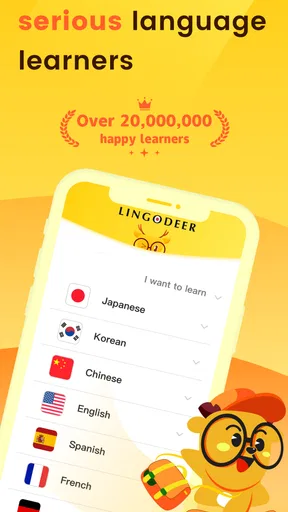
So, I downloaded LingoDeer on a whim, mainly because I was curious about learning Korean. The setup process was super straightforward. You just choose the language you want to learn, and bam, you’re in. The app offers a bunch of languages like Japanese, Chinese, Spanish, and more, which is great if you’re feeling adventurous.
Interactive Learning Experience
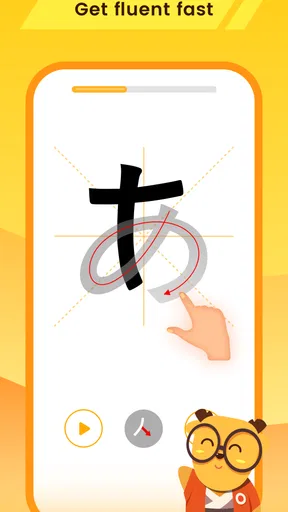
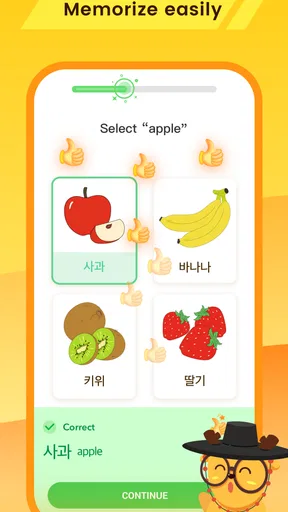
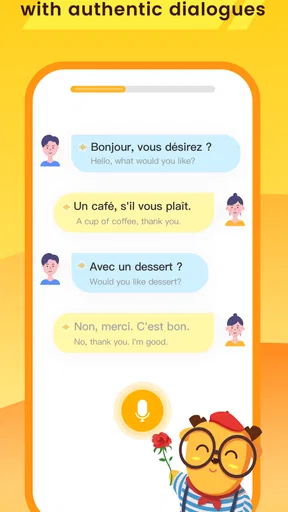
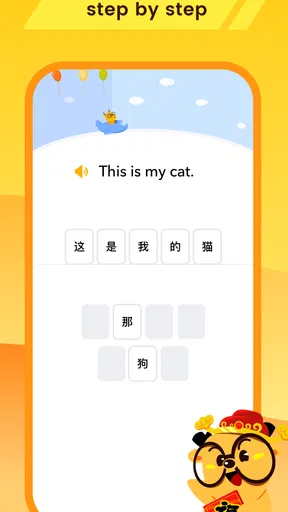
What really caught my eye was how interactive the lessons are. Unlike some other apps where you’re just swiping through flashcards, LingoDeer mixes things up with quizzes, audio pronunciations, and even grammar tips that actually make sense. I mean, who knew grammar could be this digestible? It’s like the app reads your mind and knows exactly when you need a little extra help.
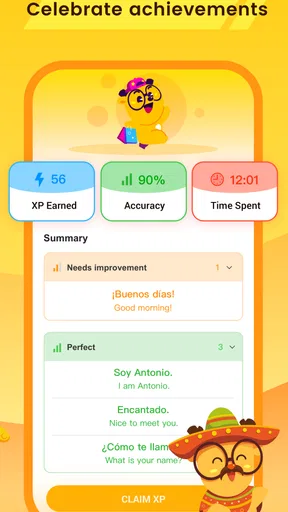
The lessons are broken down into bite-sized chunks, making it super easy to fit learning into your day. Whether you’re on your morning commute or waiting for your coffee, you can squeeze in a quick lesson. Plus, the app tracks your progress, so you can see how far you’ve come, which is always a nice little confidence boost.
Audio Features and Pronunciation
One of the standout features for me was the audio. The app provides clear, high-quality audio from native speakers, so you’re not just learning words—you’re learning how to actually say them. I found myself repeating phrases out loud (much to the amusement of my cat), but it genuinely helped improve my pronunciation.
There’s also this nifty feature where you can slow down the audio. It’s perfect for those tricky words that you just can’t quite get on the first try. Trust me, your tongue might trip a bit, but it’s all part of the fun.
Grammar and Vocabulary
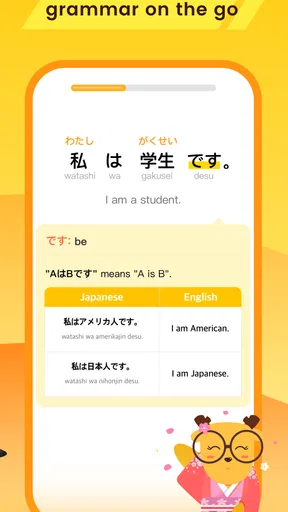
I’m not going to lie, grammar has always been my Achilles’ heel when it comes to learning languages. But LingoDeer breaks it down so simply that even I could understand it. The app provides detailed explanations and examples that really help cement the concepts in your mind.
Vocabulary is another strong suit of the app. It introduces new words in a way that feels natural and intuitive, often within the context of a story or scenario. It’s like learning without realizing you’re learning, which I’m all for.
User-Friendly Interface
Let’s talk about the interface for a sec. It’s clean, intuitive, and just plain nice to look at. Navigation is a breeze, and you’re never more than a couple of taps away from where you want to be. The design is minimalistic but effective, not cluttered with unnecessary features that just get in the way.
Plus, the app has offline capabilities. This means you can download lessons and learn even when you’re off the grid. Perfect for those long flights or train rides where Wi-Fi is spotty at best.
Cost, course choice, and fit
LingoDeer is a free education app developed by LingoDeer - Learn Languages Apps, with in-app purchases ranging from $0.99 to $299.99 per item. I’d start by trying the free experience and checking what is available for the language you care about before deciding whether to spend anything. The range between the least and most expensive in-app purchases is wide, so look at the specific purchase screen and make sure it matches your needs rather than assuming every course or feature is included at no cost.
The available courses include Japanese, Korean, Spanish, French, German, and Chinese. That range is useful if you’re choosing among those languages, but it also sets a boundary: if your goal is a language outside that selection, this is not the right single-app solution. The app has a 4.4 average from around 448,000 ratings and over 10 million installs, which suggests that many learners have tried it, but those figures can’t tell you whether its lesson style suits your own habits.
It was released on September 8, 2017, and the current version is 2.99.385, with Android 7.0 as the minimum operating system. Those details are worth checking if you’re installing on an older device. For a household, I’d also make sure the device has enough room and a reliable way to access downloaded lessons before a trip; offline access is handy, but it is better to prepare lessons before leaving than to assume a fresh download will work without a connection.
Turning practice into a useful habit
My most practical tip is to use a lesson as the start of a review loop, not the whole session. After finishing, pick one phrase or grammar point and try to recall it later without looking. Then return to the audio and listen again, especially if the phrase sounded different from how you expected. That small extra step makes the app’s bite-sized format more useful than rushing through several lessons just to feel productive.
For pronunciation, I’d repeat a short phrase once at normal speed, then use the slower audio to notice where the sounds join or where the rhythm changes. Slowing audio is helpful for hearing detail, but it can also make a phrase feel easier than it will at natural speed. I’d always finish by listening again at the ordinary pace and trying to say it without pausing between every word.
For grammar, the explanations are most valuable when I connect them to my own example. If a lesson introduces a pattern, I’d write or say one new sentence using familiar vocabulary before moving on. The app can make a rule understandable, but producing a new example is a better test of whether I can use it than recognizing the correct answer in a quiz.
This also helps when learners share a household. Instead of asking someone else to complete a lesson or keep an account active, share one thing you learned aloud. A quick explanation can reveal what you understand and what still feels confusing, while keeping each person’s study time personal. It’s a low-pressure way to coordinate without turning language practice into a competition.
Who will benefit—and who may want something else
I’d recommend trying LingoDeer if you’re new to one of its supported languages, want structured explanations, and can build short sessions into an ordinary day. It is particularly appealing to learners who find a stack of isolated flashcards dull or who want audio and grammar in the same study flow. A beginner who enjoys a clear sequence may find that easier to stick with than assembling several resources from scratch.
I’d be more cautious if you already have a strong foundation and mainly need advanced conversation, detailed writing feedback, or a specialist course. A self-guided lesson can help maintain contact with a language, but it is not the same as having someone respond to your exact mistakes. Likewise, if you learn best through long, teacher-led explanations, the compact lesson format may feel too segmented. In those cases, a tutor, class, or conversation-focused resource is likely to serve you better, with LingoDeer used only for supplementary review if it fits.
Conclusion: Is LingoDeer Worth It?
So, is LingoDeer the app for you? If you’re a beginner or even someone looking to brush up on a language, I’d say give it a shot. It’s engaging, informative, and genuinely enjoyable to use. The app might not turn you into a fluent speaker overnight, but it’s a fantastic stepping stone on your language learning journey.
With its interactive features, clear audio, and user-friendly design, LingoDeer makes learning a new language feel less like a chore and more like an adventure. So go on, give it a try, and let me know how it goes. Happy learning!
My household verdict
For a shared home, I see LingoDeer as a convenient option when one person wants to study on a device that others also use, provided everyone is deliberate about their own course and progress. Its short lessons can fit around different schedules, and the audio makes it possible to practice quietly with headphones or aloud when the room is free. I would not choose it on the assumption that it manages several learners as a family group; I’d first establish how each person will keep their study separate.
The age rating is Everyone, and the app can be a friendly starting point for a younger learner with an interested adult nearby. For independent adult study, its explanations and listening practice offer a helpful structure, but the most reliable results still depend on revisiting material and using it beyond recognition exercises. The app is free to begin, while optional purchases mean it is sensible to review the exact offer before paying.
My bottom line is that this is a worthwhile option for building a steady beginner routine, especially if you like grammar explained alongside interactive practice rather than learning only through word cards. For a household, the best arrangement is a clear personal goal for each learner, a quick check that the right course is open, and realistic expectations about what app-based practice can do. If you need live conversation, individual correction, or a language it doesn’t cover, choose a different primary tool; otherwise, I think it is an approachable way to make language study part of an ordinary day.
Pros
- Intuitive and user-friendly interface.
- Offers diverse language courses.
- Offline mode for learning anytime.
- Structured lessons with clear goals.
- Engaging games to reinforce learning.
Cons
- Limited advanced content for certain languages.
- Subscription required for full access.
- Some languages have fewer resources.
- Occasional bugs in quiz sections.
- Voice recognition can be inconsistent.
FAQs for LingoDeer - Learn Languages
What languages can I learn with LingoDeer?
LingoDeer offers a diverse selection of languages for learners, including Korean, Japanese, Chinese, Spanish, French, German, and more. The app is designed to help beginners and intermediate learners with structured lessons that include grammar tips, vocabulary building, and interactive exercises to enhance language acquisition.
Is LingoDeer suitable for complete beginners?
Yes, LingoDeer is particularly well-suited for complete beginners. The app provides a comprehensive curriculum that starts with the basics and gradually progresses to more complex topics. Each lesson is designed to build upon the previous one, ensuring a solid foundation in the language of choice.
How does LingoDeer differ from other language learning apps?
LingoDeer sets itself apart with its focus on Asian languages and its structured, grammar-centric approach. Unlike many other apps that prioritize vocabulary memorization, LingoDeer emphasizes understanding grammar patterns, making it ideal for users who want a deeper comprehension of the language structure.
Can I use LingoDeer offline?
Yes, LingoDeer allows users to download lessons and use them offline. This feature is especially beneficial for learners who want to continue their studies without relying on a constant internet connection, such as during travel or in areas with limited connectivity.
Does LingoDeer offer customizable learning experiences?
LingoDeer provides a customizable learning experience by allowing users to set their own pace and choose which skills to focus on. The app includes personalized review sessions and adaptive quizzes that cater to the learner's individual progress and areas that need improvement.


